What the Repo Rate Hold Means if You're Thinking of Selling
Last week the Reserve Bank left the repo rate unchanged at 7%, which keeps the prime lending rate at 10.5%. If you've been half-watching the news and wondering whether any of this actually affects you as a homeowner, the short answer is yes, and mostly in a good way. Let me explain what it means in plain terms, and why I think it's quietly good news if selling is on your mind.
First, what actually happened
The decision was closer than the headline suggests. Inflation ticked up to 5% in June, higher than most people expected, and two of the six committee members actually wanted to raise rates. In the end four voted to hold, so rates stayed put. For anyone with a home loan, that's the outcome you were hoping for. It means your monthly bond repayment doesn't move, and it means buyers looking at your home aren't suddenly facing a bigger repayment than they were a month ago.
Why a "nothing changed" decision is still good news
It's easy to shrug at a rate hold. Nothing went down, so what's there to celebrate? But certainty is worth a lot in this market. When rates are jumping around, buyers hesitate. They wait to see what happens next, and a hesitant buyer is a slow buyer. A stable rate does the opposite. It lets someone sit down, work out exactly what they can afford, and feel confident enough to make an offer. Several of the big property groups said much the same thing last week, that a hold gives buyers the confidence to plan and keeps activity moving. For you as a seller, more confident buyers is precisely what you want.
There's also a real chance this is as high as rates go. A few economists think that if the rand stays strong and fuel prices ease, we could even see the Bank start cutting again later this year or early next. Nobody can promise that, and I'd never tell a seller to bank on it. But it does mean we're far more likely near the top of the rate cycle than the bottom, and that tends to bring buyers off the fence rather than push them onto it.
What this looks like here in the Kouga
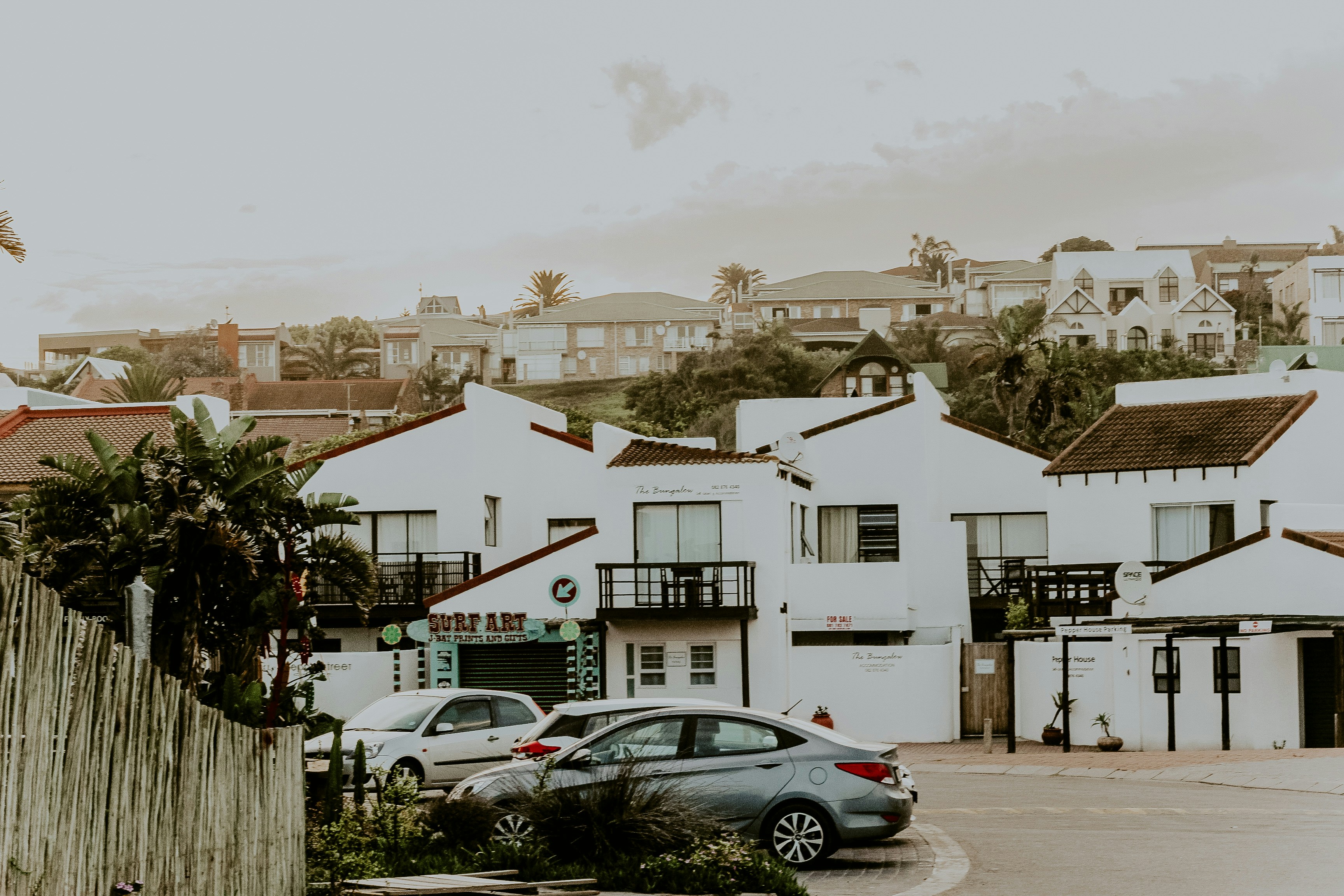
National numbers are one thing, but our corner of the Eastern Cape has its own story, and it's a strong one. The coastal towns here have been one of the quiet success stories of the past few years. Buyers from Gauteng and the Western Cape have worked out what we've always known, that you get far more home for your money on this stretch of coast, with the beaches, the lifestyle and the pace of life thrown in for free.
The numbers back it up. Jeffreys Bay and St Francis Bay have both seen strong growth over the last five years, and the wider Eastern Cape coast continues to attract a healthy mix of retirees, young families, and people simply choosing a better way of living. We remain more affordable than the Western Cape while offering a lot of the same appeal, and that value gap is a big part of what keeps demand coming. When you combine steady interest rates with genuine buyer interest in this specific region, you have a market that gives sellers real room to act.
So should you sell now?
I'm not going to give you the salesperson's answer of "yes, absolutely, today." The honest answer is that the right time to sell is still mostly about your life rather than the interest rate. But if you were already thinking about it, this is a reasonable, stable moment to do it. Buyers can plan, borrowing costs aren't climbing, and demand for coastal homes in our area is holding up nicely. That's a healthier backdrop than we've had at several points in recent years.
The one thing I'd gently push back on is waiting for the "perfect" moment. In twenty-five years I've watched plenty of sellers hold out for a market that never quite arrives, and miss a perfectly good one while they waited. A stable market you can see beats a better one you're only guessing at.
I'm a property consultant with eXp Realty South Africa, serving the greater Kouga region. If you'd like to talk it through, or just get a sense of where your home sits in today's market, give me a call on 082 674 0058 ^^